New Statistical Method Enhances Trust in Scientific Results Across Fields
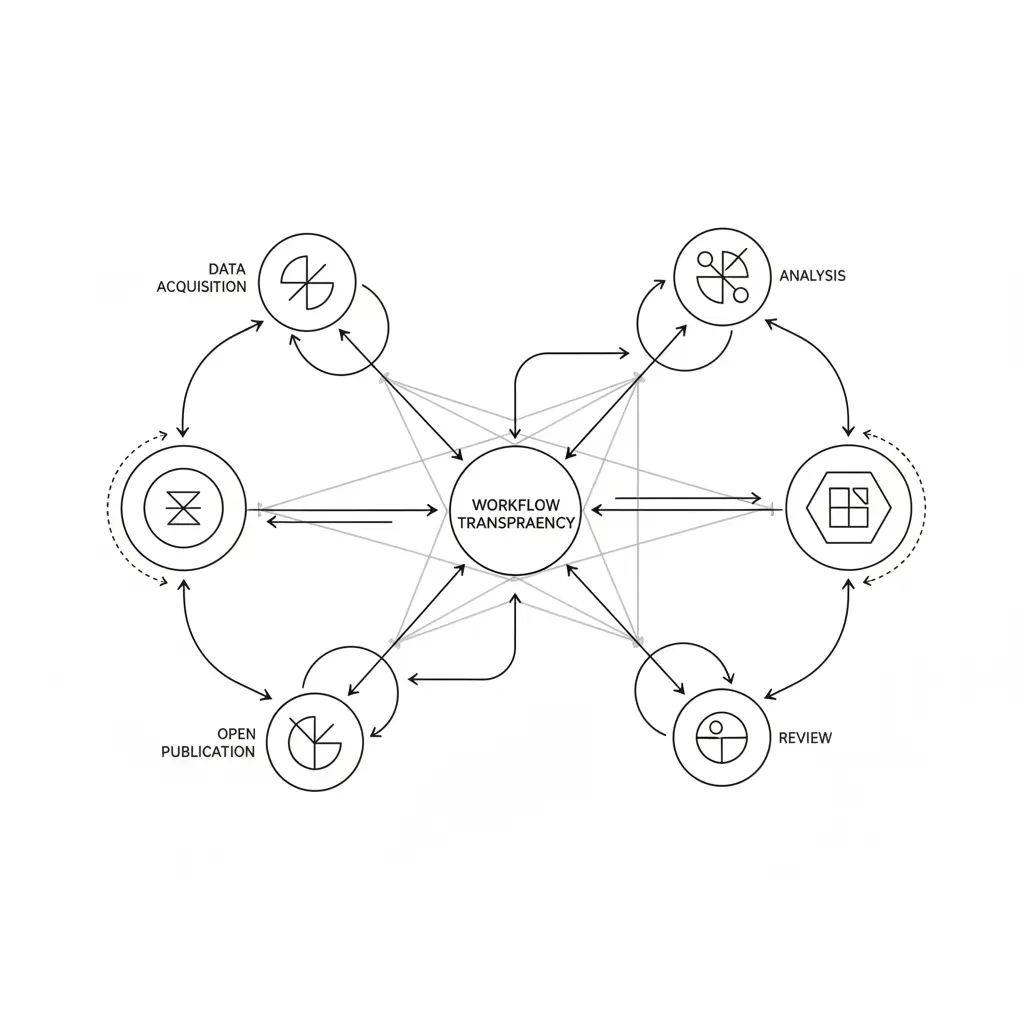
Experiments across disciplines offer insights into complex topics, including economics and public health. A key issue involves assessing how trustworthy these experimental results are, and a new statistical method aims to increase transparency in the analysis process.
- The method improves clarity around the data analysis steps behind experimental findings.
- It helps detect possible errors or biases that could affect conclusions.
- Its applications cover economics, public health, and other scientific fields.
Importance of Reliable Experimental Findings
Statistical tools play a crucial role in interpreting experimental outcomes and judging their significance. When these tools are unreliable, conclusions may be flawed, impacting decisions in policy, health, and economic sectors. Therefore, improving how results are evaluated is relevant across many areas of society.
Mechanics of the New Statistical Approach
This method reveals previously hidden steps in data processing and analysis. It enables researchers to follow how different parts of their workflow influence the final results. This added transparency supports identifying errors or biases that might otherwise remain unnoticed.
Relevance to Economic Research
Economic studies often explore decision-making and policy effects. This new approach helps economists confirm that their statistical conclusions about markets or behavior hold up under closer examination. It may assist in refining economic models and policy guidance by highlighting when results are not driven by chance or overlooked issues.
Support for Public Health Studies
In public health, experiments evaluate treatments and interventions to inform policy decisions. The statistical technique offers a way to assess how dependable findings are regarding intervention effectiveness. This can contribute to more cautious and evidence-based health policies.
Broader Scientific Implications
Other fields such as psychology, education, and environmental science might also benefit from this method. By uncovering hidden aspects of data analysis, it encourages more rigorous research practices. The approach fosters openness and thorough examination of how results are derived.
Decision cues:
- Use when transparency in data analysis is a priority.
- Relevant for research requiring validation of statistical conclusions.
- Applicable across multiple scientific disciplines seeking clearer result interpretation.
Closing Thoughts on Scientific Trust
This statistical method contributes to clearer and more interpretable scientific analysis. It provides a tool for researchers to better judge the reliability of experimental results. This development relates to improved decision-making in various fields affecting everyday life.
Comments
Post a Comment