Ensuring Ethical Clarity in Medical AI: The Role of Explainability with NVIDIA Clara
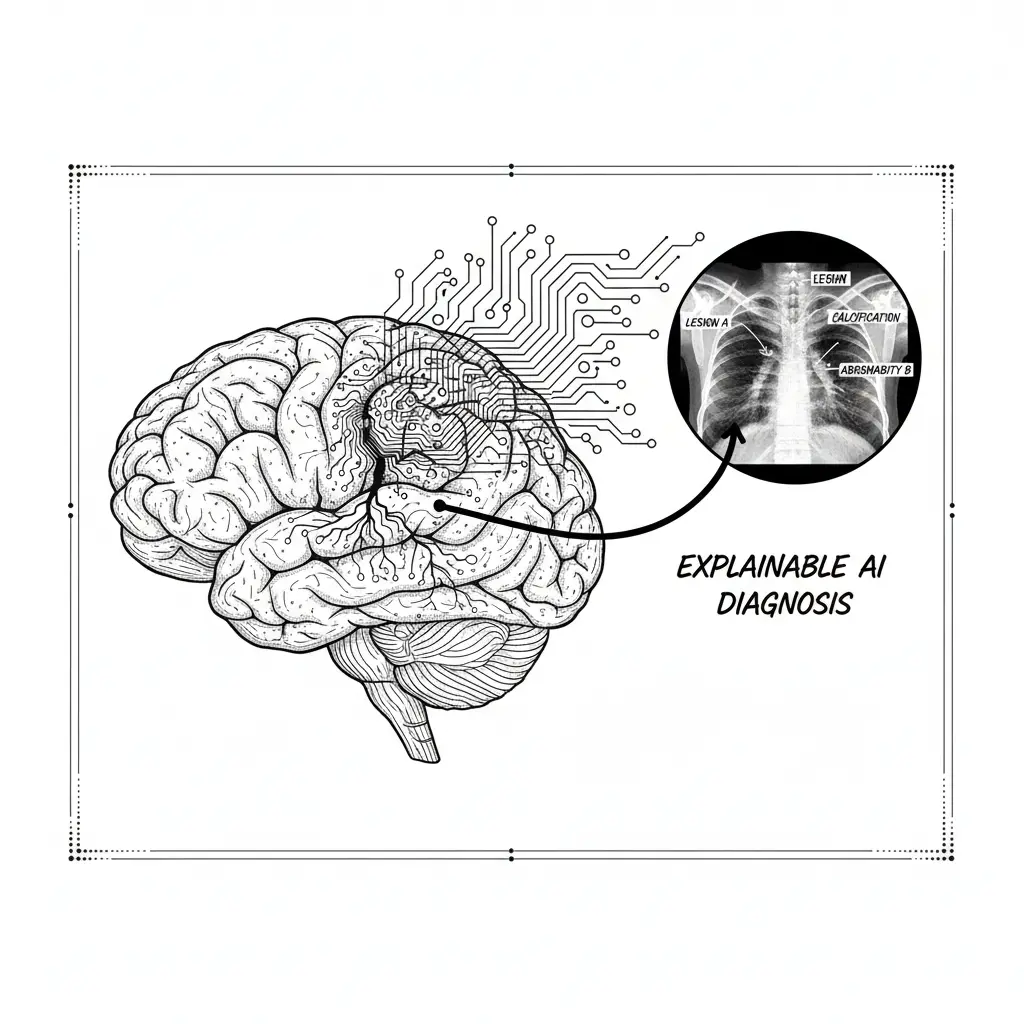
Medical AI in imaging has reached a point where ethical clarity is increasingly important. While vision-language models (VLMs) offer diagnostic potential, their often opaque decision-making raises concerns about responsible use in clinical environments.
- Explainability allows clinicians to verify AI recommendations and uphold accountability in medical imaging.
- NVIDIA Clara provides tools that offer transparent reasoning alongside AI diagnostic results.
- Finding the right balance between detail and clarity in explanations remains a challenge for ethical AI use.
Explainability’s Role in Medical AI Ethics
Explainability involves understanding how an AI system arrives at its conclusions. In healthcare, this transparency aids clinicians in evaluating AI outputs, contributing to patient safety and professional responsibility. Without interpretable explanations, there is a risk of uncritical reliance on AI guidance.
Limitations of Vision-Language Models in Radiology
Although VLMs can detect patterns in medical images, they often lack reasoning that aligns with clinical decision-making. Their outputs may be unclear, which can reduce acceptance among healthcare professionals. This gap raises ethical concerns, as clinical decisions typically require evidence that can be traced and justified.
NVIDIA Clara’s Approach to Explainable Medical AI
NVIDIA Clara includes models and tools designed to increase transparency in AI-driven diagnostics. By providing clear reasoning alongside predictions, it helps clinicians better understand AI results. This approach supports trust and enables more informed clinical decisions.
Systematic Reasoning as an Ethical Element
Systematic reasoning means AI conclusions follow logical, stepwise processes. Clara facilitates this by allowing users to trace diagnostic pathways and review AI findings. This feature supports ethical oversight by helping practitioners detect potential errors or biases and safeguard patient welfare.
Challenges in Deploying Explainable AI
Despite progress, challenges remain in balancing AI complexity with clear explanations. Overly simple explanations may omit key details, while too complex ones might confuse users. Ethical deployment involves ongoing evaluation of how explanations affect clinical judgment and outcomes.
Ethical Clarity in Medical AI
As AI becomes more integrated into radiology, maintaining ethical transparency is essential. Tools like NVIDIA Clara contribute by delivering explainable models aligned with clinical requirements. Supporting systematic reasoning and clear communication aids responsible use and patient safety.
Note: For related insights on AI workflow and ethics, see the analysis of AI workflow latency and ethics in Virgin Atlantic’s travel enhancements.
Checklist: Key factors for explainable medical AI
- Transparency in AI decision processes
- Alignment of AI reasoning with clinical workflows
- Traceability of diagnostic outputs
- Balance between explanation detail and clarity
- Tools supporting user review and error detection
Terms in this post
A quick reference for key terms used here.
ExplainabilityThe degree to which the reasoning behind AI decisions can be understood by humans.
Vision-language models (VLMs)AI models that process and interpret both visual and textual data.
Systematic reasoningA logical, stepwise process guiding AI conclusions.
NVIDIA ClaraA platform offering AI tools and models for medical imaging and diagnostics.
Comments
Post a Comment