Ethical Challenges in Developing Healthcare Robots Using NVIDIA Isaac
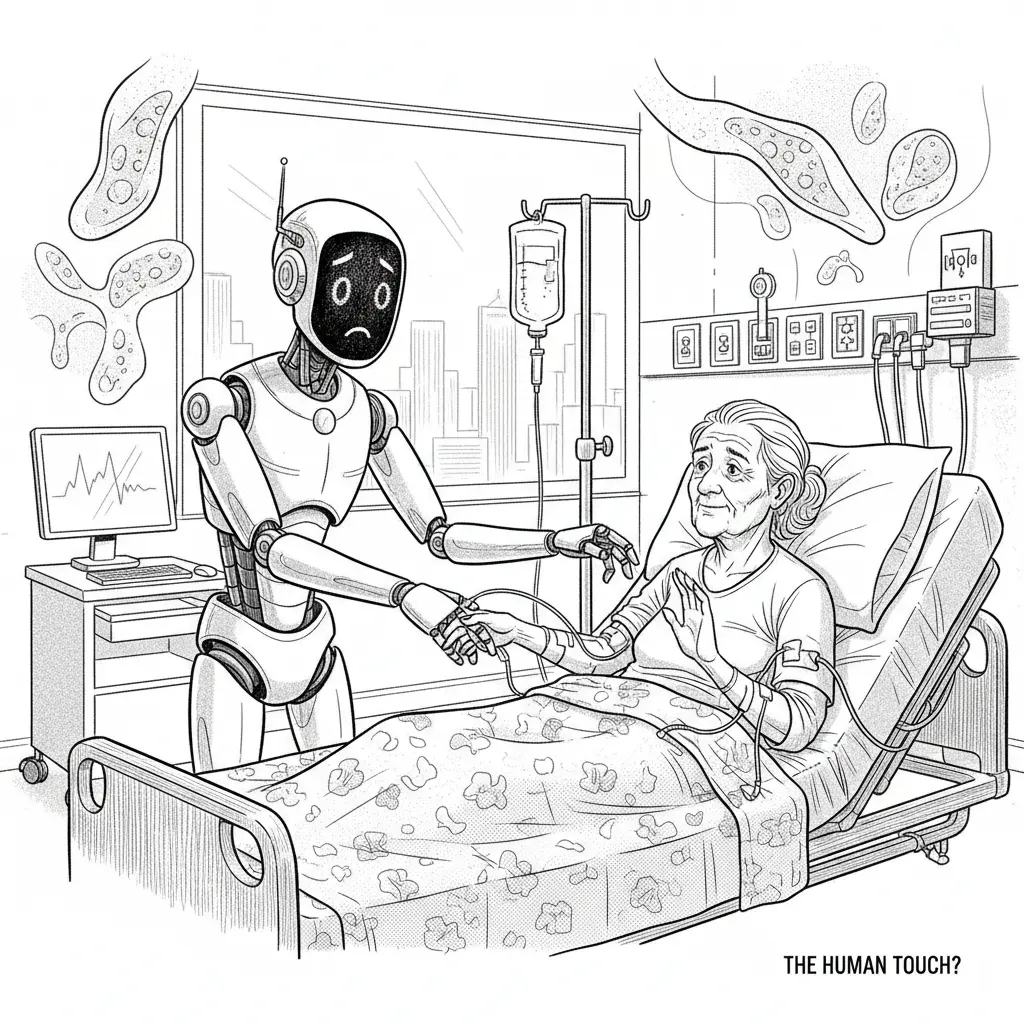
Healthcare robots are increasingly used in medical environments, with platforms like NVIDIA Isaac supporting their design and testing before deployment. These advances raise ethical questions related to safety, privacy, and trust that require careful consideration.
- Healthcare robots involve balancing reliability with respect for patient dignity and privacy.
- Simulation models may not capture all real-world complexities, which could introduce risks.
- Human oversight and data security remain important alongside automation.
Human Expectations and Ethical Concerns
Patients and caregivers expect healthcare robots to perform tasks accurately and without causing harm or discomfort. Privacy is a major concern because these robots often collect sensitive health information, raising questions about data handling and protection. Trust depends on clear communication about the robot’s capabilities and the use of collected data.
Modeling Robot Behavior and Its Limits
Robotic behavior relies on algorithms and sensor inputs simulated in platforms such as NVIDIA Isaac. Although these models anticipate robot actions, they may not fully capture human emotions or unforeseen healthcare situations. This gap can lead to errors or inappropriate responses when robots encounter scenarios beyond their training.
Ethical Challenges in Simulation-Based Development
Simulations provide a controlled setting for healthcare robot development but can miss real-world complexities. Heavy dependence on simulated data risks overlooking situations that affect patient safety. Ethical development involves validating simulations with diverse, realistic cases and addressing biases that could result in unfair treatment of certain groups.
Maintaining Human Oversight with Automation
While robots can manage repetitive or precise tasks, human supervision remains crucial to ensure ethical use. Healthcare professionals need to monitor robot actions and intervene when necessary. Clear protocols defining robot autonomy help maintain accountability and support patient safety.
Privacy and Data Protection in Healthcare Robotics
Managing sensitive patient data requires robust security measures to prevent unauthorized access. Transparency about data collection and usage helps foster patient confidence. Developers must comply with privacy regulations and provide patients with control over their personal information.
Ethical Considerations for Integration
Developing healthcare robots with NVIDIA Isaac involves balancing technical capabilities with ethical concerns. Considering human expectations alongside simulation limitations can guide responsible practices. Prioritizing safety, privacy, and trust is important when integrating these robots into healthcare environments.
Checklist: Key ethical considerations when developing healthcare robots with NVIDIA Isaac.
- Assess how robot tasks affect patient dignity and comfort.
- Evaluate simulation models for gaps that may miss real-world complexities.
- Implement human oversight protocols for robot operation.
- Ensure transparency about data collection and robot capabilities.
- Apply strong data security and comply with privacy regulations.
- Address potential biases in robot behavior and training data.
Key terms
NVIDIA IsaacA robotics simulation platform used to develop and test robot behaviors before real-world deployment.
Simulation ModelsComputer-generated environments that mimic real-world scenarios to predict robot actions.
Human OversightSupervision by healthcare professionals to monitor and intervene in robot operations when needed.
Privacy RegulationsLegal requirements governing the protection and use of personal health data.
Comments
Post a Comment