Expanding AI Horizons: OpenAI’s Stargate Campus Boosts Michigan’s Human and Mind Development
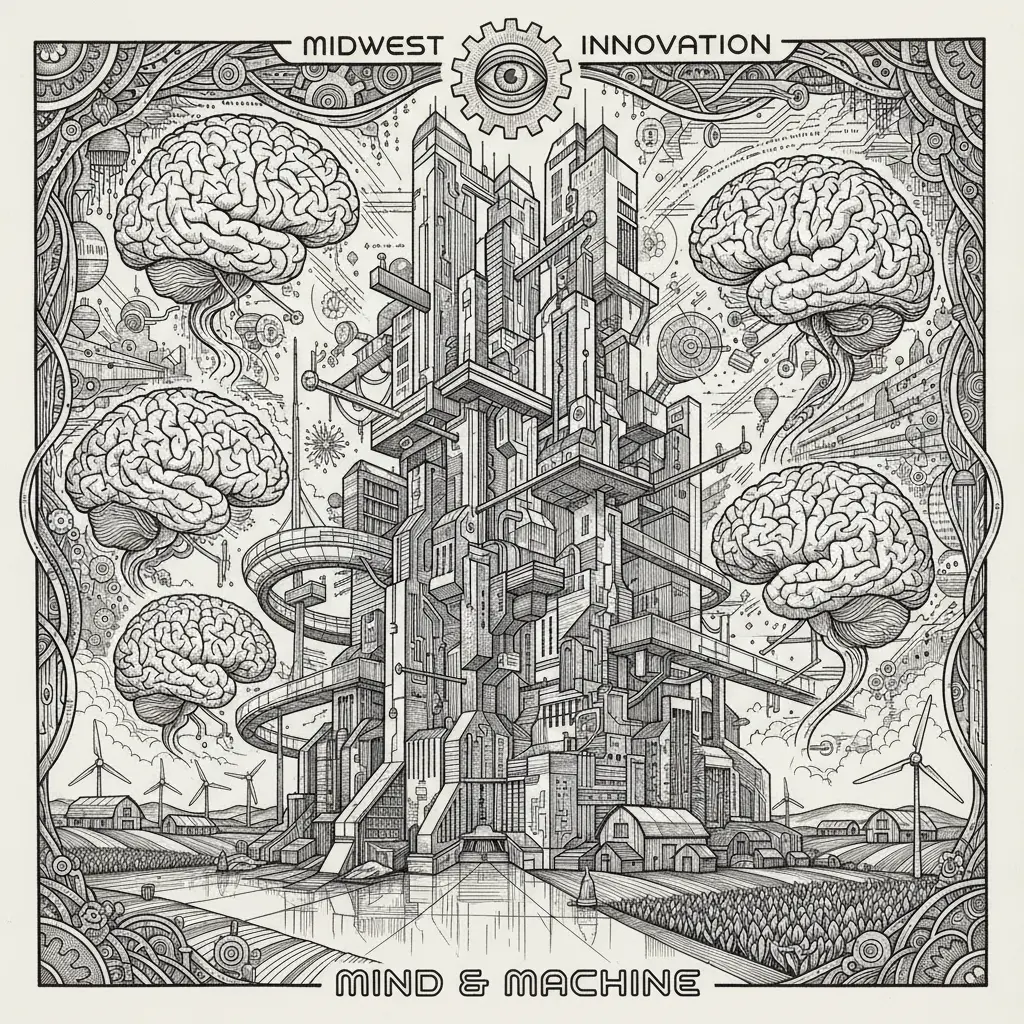
OpenAI is developing a one-gigawatt Stargate campus in Michigan to enhance AI infrastructure in the United States. This initiative involves both technological progress and considerations related to human cognition in the area.
- The Stargate campus supports AI advancements connected to human cognitive functions.
- It is expected to generate varied employment opportunities and boost Michigan’s economy.
- Ethical concerns about AI’s effects on individuals and society remain relevant.
AI and Human Cognitive Processes
The campus aims to advance AI research linked to human mental abilities and cognition. These efforts may provide tools to better understand and engage with human intelligence. The project explores how technology can extend cognitive functions.
Economic Impact and Job Creation in Michigan
Stargate is likely to generate jobs in research, engineering, and support roles. Its development could attract investment and contribute to economic growth in Michigan and surrounding regions. This effort strengthens the area’s role in AI innovation.
Developing AI Infrastructure with Human Interaction Focus
Robust AI infrastructure is necessary for systems that interact effectively with people. The campus will support technologies designed to meet human needs in fields such as education and healthcare, where cognition plays a central role. This facilitates AI applications attentive to mental and social dimensions.
Ethical Considerations and Social Effects
The expansion of AI raises ethical and societal questions. Attention to AI’s impact on privacy, decision-making, and employment is highlighted. Responsible approaches emphasize respect for human values and mental well-being.
Michigan’s Emerging Role in AI Research and Partnerships
The Stargate campus could position Michigan as a center for AI research and application. It may encourage collaboration among universities, industry, and government entities. These partnerships might foster innovations influencing human capacities and societal development.
Common pitfalls:
- Underestimating ethical challenges related to AI’s influence on cognition and society.
- Overlooking the need for inclusive collaboration among academic, industrial, and governmental stakeholders.
- Failing to balance technological growth with considerations of human mental well-being.
- Assuming economic benefits without accounting for potential shifts in job markets and skills requirements.
Terms in this post
Quick reference for key terms used.
AI infrastructureThe foundational technology and systems that support artificial intelligence development and deployment.
Human cognitionThe mental processes involved in acquiring knowledge and understanding through thought, experience, and the senses.
Stargate campusOpenAI’s large-scale facility in Michigan focused on AI research and infrastructure expansion.
Comments
Post a Comment