Exploring gpt-oss-safeguard Models: Advancing AI Content Reasoning and Safety
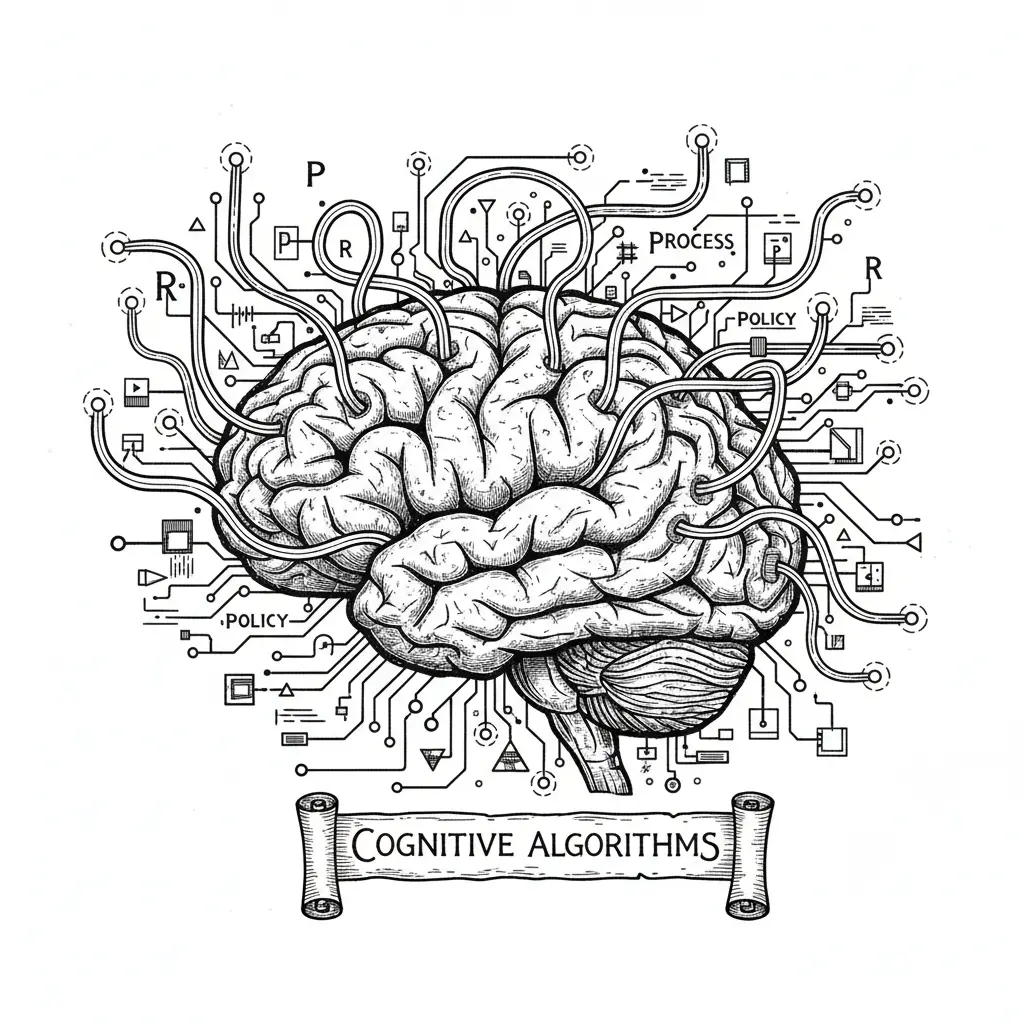
The gpt-oss-safeguard-120b and gpt-oss-safeguard-20b models build on the gpt-oss framework by including a post-training phase that focuses on reasoning with specific policies. These models analyze content and classify it according to rules set out in those policies, reflecting efforts to enhance AI handling of safety guidelines.
- gpt-oss-safeguard models apply policy-based reasoning to classify content.
- They undergo post-training to adjust general language skills toward safety-related tasks.
- Evaluations compare their labeling accuracy with earlier gpt-oss versions.
How Policy-Based Reasoning Functions
Unlike standard language models that mainly predict text patterns, these models interpret explicit policies. They evaluate whether content complies with safety rules, making decisions based on the criteria within those policies. This reasoning approach allows for more nuanced classification aligned with defined safety boundaries.
Post-Training for Focused Safety Evaluation
The post-training phase introduces the models to policy documents and examples after initial training. This step adjusts their understanding to emphasize safety-relevant content assessment while retaining general language abilities. It illustrates a practice in AI development to fine-tune models for specialized tasks without sacrificing versatility.
Assessing Safety Performance
Baseline evaluations test how accurately the gpt-oss-safeguard models label content compared to earlier versions. These assessments use various samples to measure consistency and accuracy in applying safety policies. They contribute to understanding how these models behave in content moderation contexts.
AI Policy Interpretation and Human Cognition
The models act as intermediaries that translate complex policy language into content judgments, reflecting elements of human cognitive processes. Their reasoning supports safer communication by helping limit inappropriate material. This interaction between AI reasoning and human values provides insight into aligning machine decisions with ethical considerations.
Ongoing Questions on Model Capabilities and Transparency
Despite developments, questions remain regarding the models’ management of ambiguous content and evolving policies. Transparency of their reasoning and limitations in sensitive situations continue to be concerns. Current evaluations offer a foundation for understanding, but further study is needed to enhance AI safeguards in line with human ethics.
Common pitfalls: Challenges in adapting to nuanced cases, communicating reasoning transparently, balancing safety with language abilities, and covering all content complexities in evaluations.
- Overreliance on fixed policies may reduce adaptability to new or subtle cases.
- Explaining the models’ reasoning steps to users can be challenging.
- Maintaining general language skills while prioritizing safety requires careful adjustment.
- Evaluations might not address all complexities found in real-world content.
Closing Thoughts
The gpt-oss-safeguard models represent an approach to integrating policy-based reasoning into language models for content safety. Their development highlights ongoing efforts to balance AI capabilities with ethical and practical considerations in content moderation.
Further work is needed to explore transparency, adaptability, and alignment with human values as these models continue to be refined.
Comments
Post a Comment