How Doppel Uses GPT-5 and Reinforcement Fine-Tuning to Combat Deepfake Threats
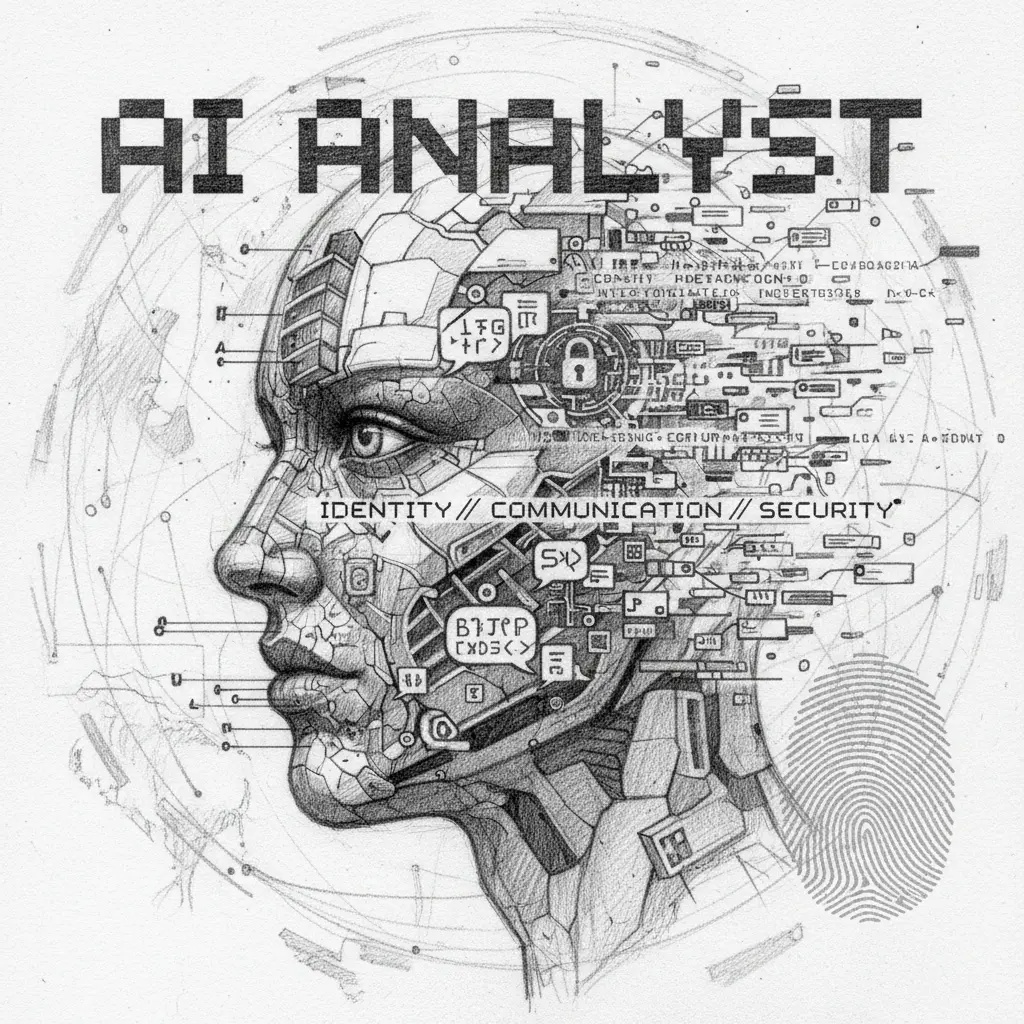
Deepfake and impersonation attacks increasingly challenge trust and security in digital communication. Doppel combines OpenAI's GPT-5 with reinforcement fine-tuning to detect and intercept these threats early, seeking to protect individuals and organizations from deceptive impersonations.
- Doppel applies GPT-5 enhanced with reinforcement fine-tuning to analyze deepfake threats.
- The approach reduces analyst workload and accelerates threat detection.
- Maintaining a balance between accuracy and resource use remains a key challenge.
How Deepfakes Influence Human Trust
Deepfakes recreate a person's likeness or voice to produce misleading content that can damage reputations and spread misinformation. The human mind often struggles to distinguish these from authentic content, leading to confusion and mistrust. Detecting such fakes requires technology capable of analyzing subtle indicators effectively.
GPT-5’s Function in Threat Detection
GPT-5 processes and generates human-like text, allowing Doppel to examine communication patterns for signs of impersonation or deepfake activity. By breaking down data into tokens representing meaningful language units, the model detects inconsistencies that might be overlooked by humans.
Enhancing Detection with Reinforcement Fine-Tuning
Reinforcement fine-tuning modifies GPT-5’s outputs using feedback from security analysts and real-world examples. This method balances the computational cost of processing tokens with the need for precise detection. It guides the model to focus on relevant cues while minimizing unnecessary processing, improving both speed and reliability.
Reducing Analyst Workload and Response Times
Doppel reports that combining GPT-5 with reinforcement fine-tuning decreases analyst workload by approximately 80%. Routine detection is automated, allowing experts to concentrate on complex cases. This also shortens response times from hours to minutes, which is important for limiting the spread of deepfake content.
Effects on Human Trust and Cognitive Security
By intercepting deepfake attacks early, the system helps maintain the integrity of identity and communication, which supports social trust and mental clarity. This assists the human mind in relying on authentic information and interactions.
Challenges in Balancing Accuracy and Efficiency
Managing token-level decisions remains challenging to preserve detection accuracy without excessive resource use. Overly strict filtering risks missing subtle threats, while excessive processing can delay responses. Ongoing adjustments and human oversight help maintain effective defenses without overburdening analysts.
Summary
Doppel’s integration of GPT-5 with reinforcement fine-tuning offers a focused method for identifying deepfake threats through efficient token analysis. This approach seeks to accelerate detection, reduce human workload, and support trust in digital communication. Continued refinement is needed to address evolving impersonation techniques.
Checklist: Key considerations when using AI for deepfake detection include:
- Balancing detection accuracy with computational resource use to avoid delays or missed threats.
- Incorporating human feedback to fine-tune AI outputs and improve reliability.
- Automating routine analysis to reduce analyst workload while preserving expert oversight for complex cases.
- Maintaining focus on subtle communication cues that may indicate impersonation or deepfake activity.
- Monitoring response times to ensure timely intervention against spreading misinformation.
Terms in this post
DeepfakeArtificially generated or manipulated content that mimics a person's appearance or voice.
GPT-5A large language model developed by OpenAI that processes and generates human-like text.
Reinforcement Fine-TuningA training method that adjusts AI outputs based on feedback to improve task-specific performance.
TokenThe smallest meaningful unit of text used by language models for processing.
Comments
Post a Comment