Mapping AI Compute Infrastructure to Benchmark National Automation Readiness
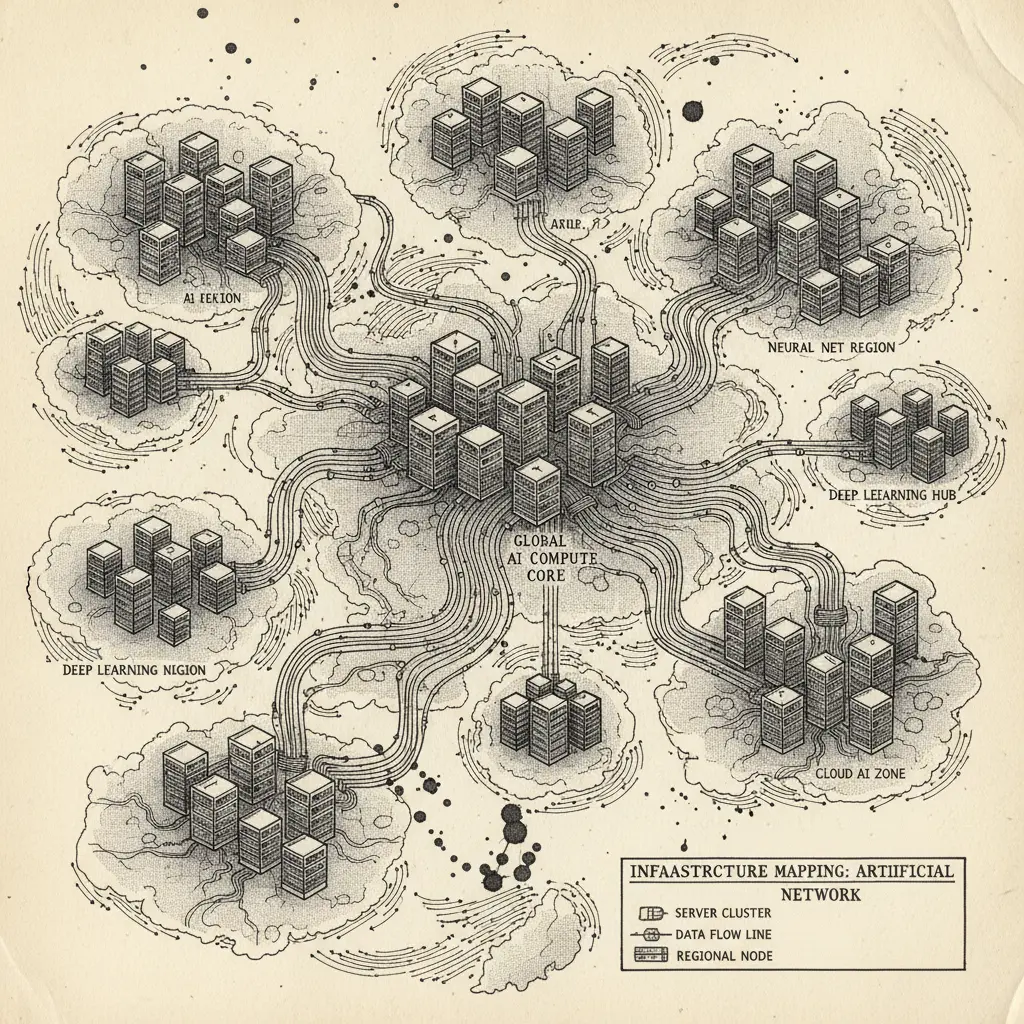
Understanding the distribution of AI compute infrastructure highlights factors influencing automation readiness in different countries.
- AI compute infrastructure forms the backbone of automation workflows and varies considerably by region.
- Mapping these resources can reveal capacity gaps and inform policy and investment decisions.
- Challenges include accurately measuring capacity amid fast technological changes and limited data transparency.
Role of AI Compute Infrastructure in Automation Workflows
Automation depends on AI models requiring substantial computational power, often delivered through specialized hardware housed in data centers. The availability and location of these resources influence how effectively organizations can deploy automation solutions.
Challenges in Measuring AI Compute Capacity
Assessing AI compute infrastructure involves considering a variety of hardware types, usage patterns, and sector-specific availability. Privacy restrictions and proprietary concerns limit transparency, while ongoing technological advances necessitate frequent reassessments to keep data current.
Common pitfalls in mapping AI compute resources
- Overlooking private sector infrastructure can result in incomplete estimates of capacity.
- Ignoring regional differences may conceal challenges related to workforce adaptation.
- Failing to update data regularly risks basing decisions on outdated information.
- Underestimating how infrastructure location affects the speed of automation deployment.
Implications for Policy and Industry
Mapping AI compute infrastructure can assist policymakers in directing investments and workforce development to address regional disparities. Collaboration within industry could encourage shared infrastructure use, potentially lowering barriers to AI-driven automation adoption. These insights can support more informed management of technological and workforce transitions.
Data-Driven Strategies for Automation Readiness
Monitoring AI compute infrastructure offers a practical approach to assessing national automation readiness. It helps identify where resources are concentrated and where additional support may be required, contributing to decisions that balance automation advancement with workforce considerations.
Comments
Post a Comment