Open Research and NVIDIA Clara's Role in Advancing AI for Digital Biology
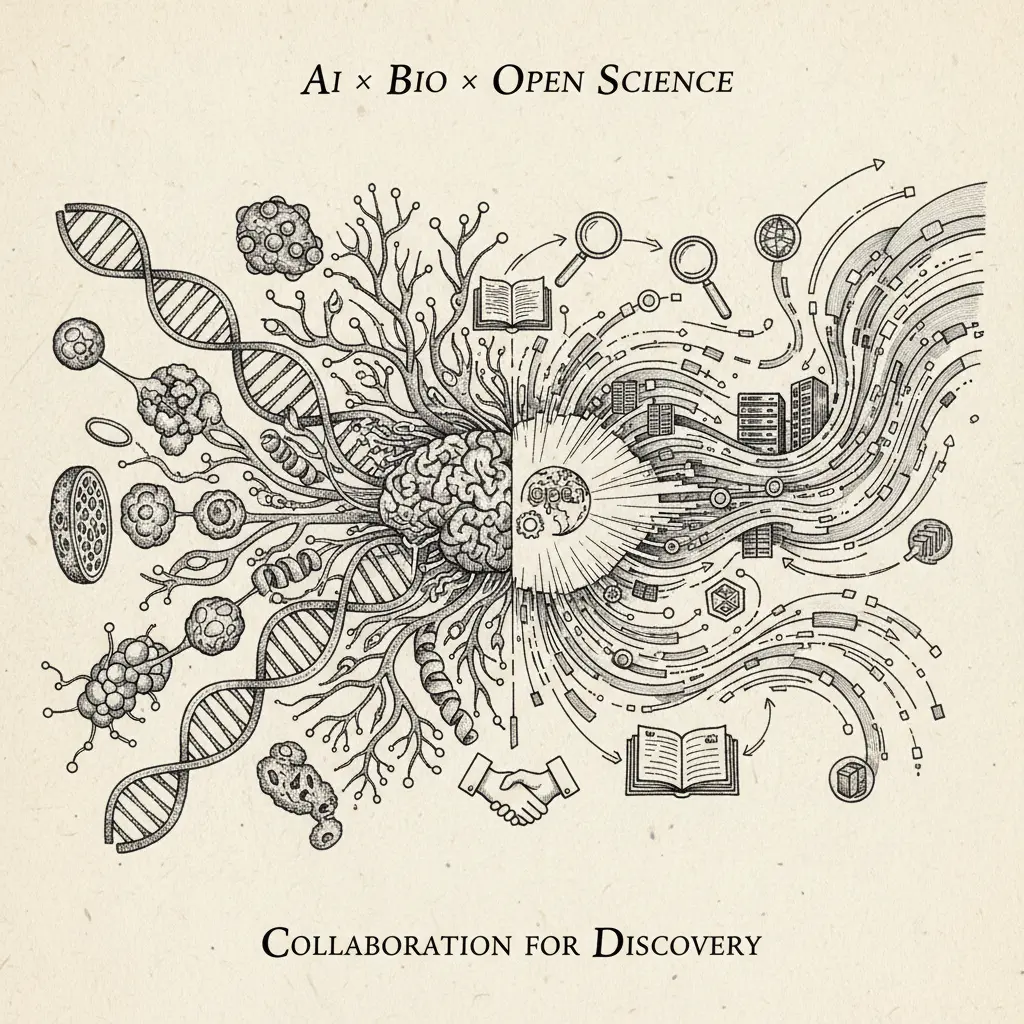
Open research involves freely sharing knowledge among scientists, developers, and the public, enabling collaborative efforts that combine ideas and resources. This approach is especially relevant in AI and scientific fields, where teamwork can facilitate discoveries and solutions.
- Open research supports collaboration by making data and tools widely accessible.
- NVIDIA Clara offers open-source resources designed for biology and health research.
- The CodonFM model assists RNA design and invites contributions to enhance genetic analysis.
How Open Collaboration Supports Innovation
Open sharing enables experts to build on each other’s work, fostering an environment where breakthroughs may emerge more readily. This approach reduces barriers and brings diverse perspectives together, which can benefit both scientific fields and society.
Pros and cons:
- Pros: Encourages diverse input and may accelerate discovery.
- Cons: Requires coordination to maintain quality and reliability.
NVIDIA Clara’s Contribution to Digital Biology
NVIDIA Clara offers open-source tools designed for biology, chemistry, and human health research. These resources assist in analyzing complex biological data and simulating chemical processes, facilitating collaboration and knowledge sharing among scientists.
AI’s Role in Digital Biology Research
AI helps identify patterns and generate predictions from large datasets, supporting areas such as drug discovery, genetic analysis, and disease diagnosis. Trustworthy AI models are important for managing the complexity of biological systems.
CodonFM: An Open-Source Model for RNA Design
CodonFM, available through NVIDIA Clara, is an AI model focused on designing and analyzing RNA sequences. Given RNA’s key role in biology, CodonFM’s open-source design allows researchers worldwide to participate in its development and validation.
Broader Implications of Open Research
Combining open research with tools like NVIDIA Clara and CodonFM may affect the direction of health and biology research. Open access encourages transparency and trust, potentially enabling faster international cooperation on health challenges. While results are still developing, these efforts illustrate how open collaboration can influence scientific progress.
Comments
Post a Comment