Brain-Inspired Computing Advances Energy-Efficient Artificial Intelligence
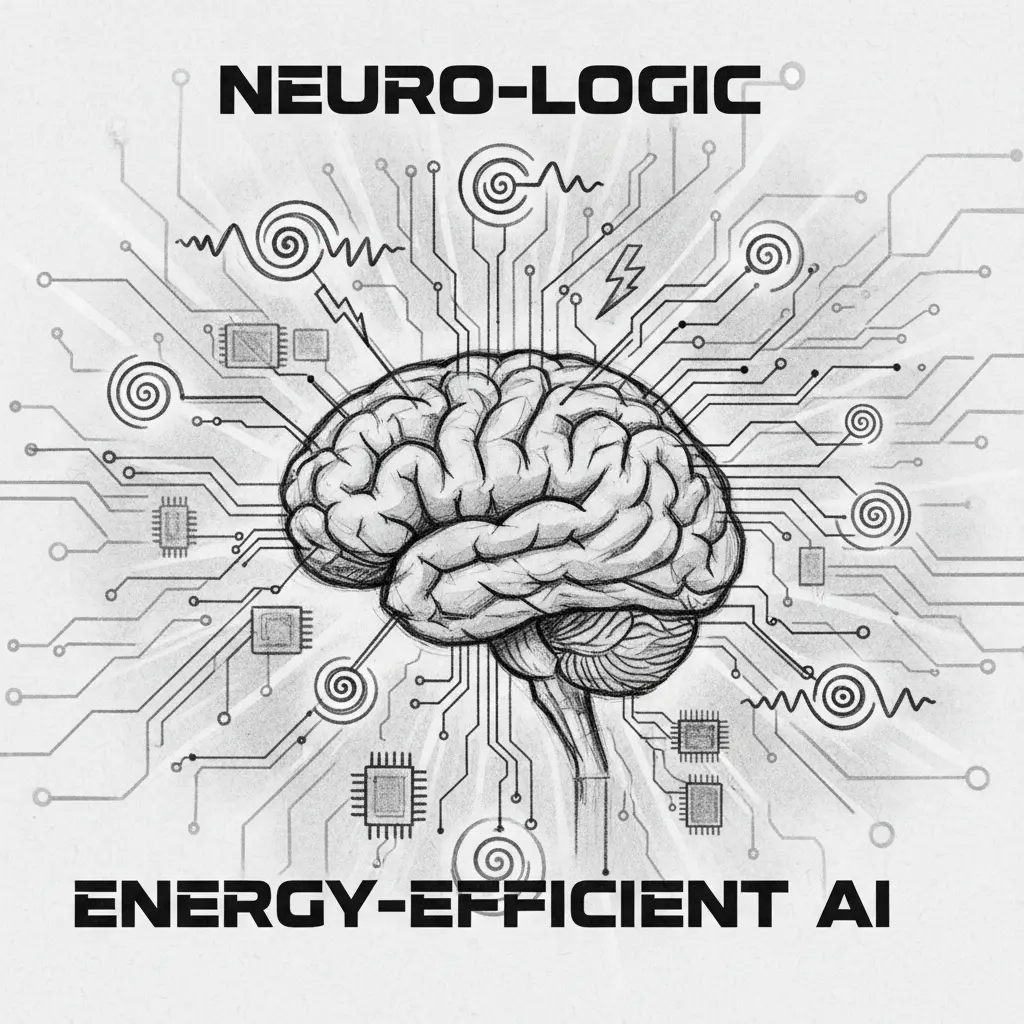
Artificial intelligence systems increasingly require large amounts of energy, prompting concerns about sustainability and ethical resource use. Researchers are exploring computing methods inspired by the brain to address these issues, seeking AI approaches that balance capability with energy efficiency.
- Brain-inspired computing explores energy-saving strategies found in human neural processes.
- Miranda Schwacke’s research investigates how these principles can guide AI design for lower power use.
- Ethical and transparency concerns arise alongside efforts to reduce AI’s environmental impact.
Brain-Inspired Computing and Its Potential
Brain-inspired computing draws on the human brain’s ability to perform complex tasks with minimal energy. This approach examines mechanisms like sparse neural firing and adaptive learning to inform AI system design. The goal is to create models that operate efficiently without compromising functionality.
Common pitfalls:
- Difficulty replicating the brain’s complexity in artificial systems.
- Challenges in maintaining transparency and interpretability of brain-inspired models.
- Potential unforeseen consequences from deploying novel AI architectures.
Miranda Schwacke’s Contributions
PhD student Miranda Schwacke focuses on how brain-inspired principles can enhance AI efficiency. Her research investigates translating biological strategies into computational models that may require less energy. This work highlights interdisciplinary collaboration between neuroscience and machine learning.
Ethical and Practical Challenges
Energy-efficient AI raises questions about accountability and control, especially as models become less transparent. The article reports that balancing innovation with ethical oversight remains a priority. Ensuring trustworthiness while pursuing sustainability is a key consideration for researchers.
Looking Ahead in Brain-Inspired AI
Ongoing research in this area involves collaboration across scientific fields to responsibly advance AI design. Schwacke’s studies contribute insights into using natural energy-saving solutions in technology. The text frames this as part of a broader effort to align AI development with environmental and social concerns.
Comments
Post a Comment