Introducing Gemma 3n: A Developer's Guide to Advancing Collaborative AI Models
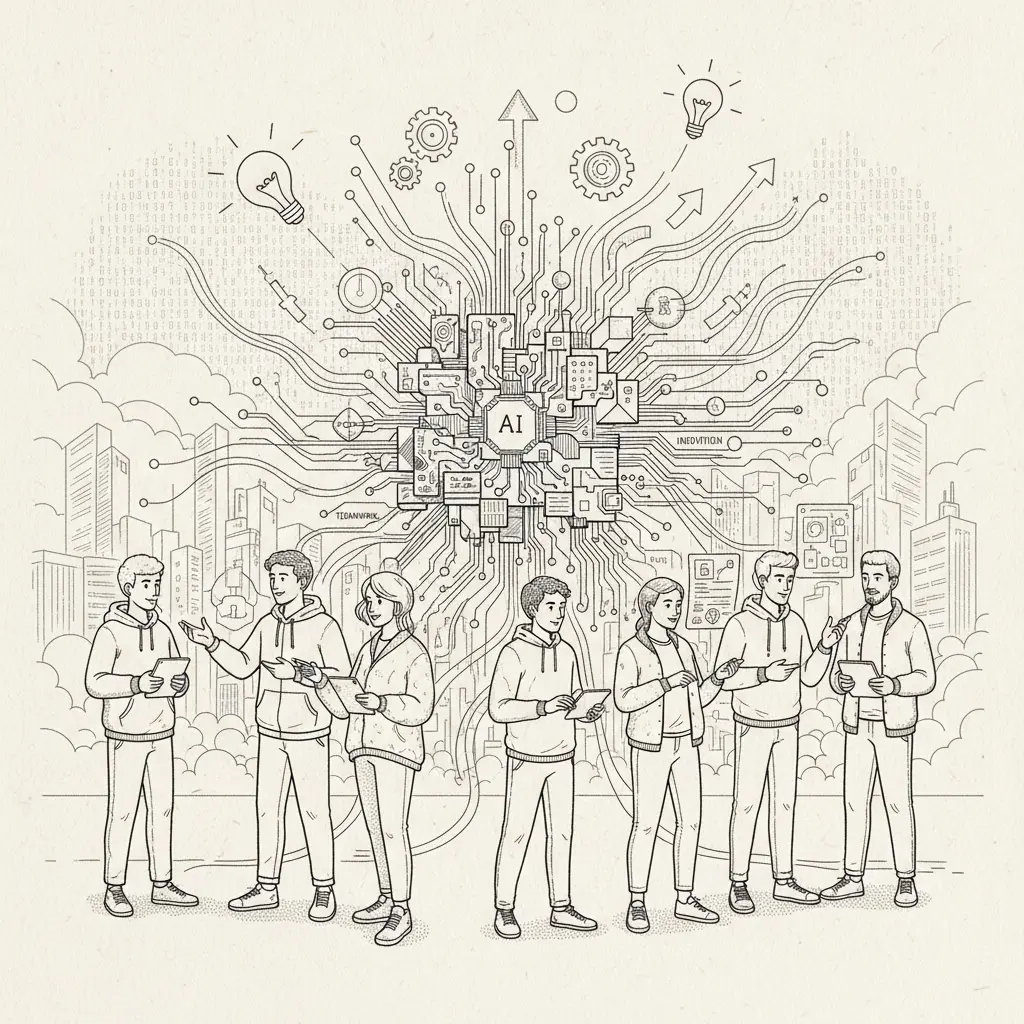
Collaboration in AI development is changing with tools like Gemma 3n, which supports developers working together on advanced AI models.
- Gemma 3n supports developers in building and refining collaborative AI models.
- The guide covers integration, troubleshooting, and performance optimization.
- Ethical development and community collaboration are central to Gemma 3n's approach.
Why Gemma 3n Matters for Developers
Gemma 3n provides developers with detailed guidance and practical tools to support collaborative AI development. It creates a platform for shared innovation and ongoing refinement within the AI developer community.
The Role of the Developer Community in Gemma’s Evolution
The growth of Gemma depends on active contributions from developers. Their feedback, extensions, and shared expertise help expand the model’s functionality across various use cases.
- Participate in collaborative coding to uphold quality standards.
- Help develop features and address bugs.
- Exchange insights to improve practical applications.
Main Features Covered in the Gemma 3n Guide
The guide details how to integrate new capabilities, troubleshoot common problems, and adjust performance settings. It also highlights teamwork practices that promote consistency and efficiency in joint projects.
Collaboration Within an Ethical Framework
Gemma 3n encourages attention to ethical considerations like societal impact, privacy, and fairness. This focus supports aligning technical progress with responsible and inclusive development.
Preparing Your Development Environment for Gemma 3n
The guide specifies technical prerequisites including supported languages, frameworks, and hardware recommendations to facilitate effective use and integration of Gemma 3n.
Engaging with the Community and Future Directions
Developers can join forums and discussion groups to address challenges and exchange ideas. Although Gemma’s future plans remain adaptable, this guide provides a basis for ongoing community involvement and development.
Comments
Post a Comment